Chula Vista Lead Paint Removal plans lead abatement and lead paint removal in National City, along with lead testing, inspection and encapsulation, for Victorian houses, row houses and apartment buildings built before 1978. California’s Title 17 rules shape each step, from the certified inspection through removal, sealing or lead-safe repair.
National City’s housing is much older than Chula Vista’s. The city was incorporated on September 17, 1887 and calls itself the second oldest city in San Diego County. The 2020-2024 American Community Survey dates 70.1% of its homes to before 1980, 34.8% to before 1960 and 18.1% to before 1950, and 65.3% are rented. The city’s own Consolidated Plan says most of its housing was built before 1980 and is presumed to contain lead paint.
Lead-painted plaster walls sealed in a 1940s living room
Example project
Home
1940s house in National City with plaster walls
Original request
Keep the original plaster in the living room and seal the old paint for good
Testing
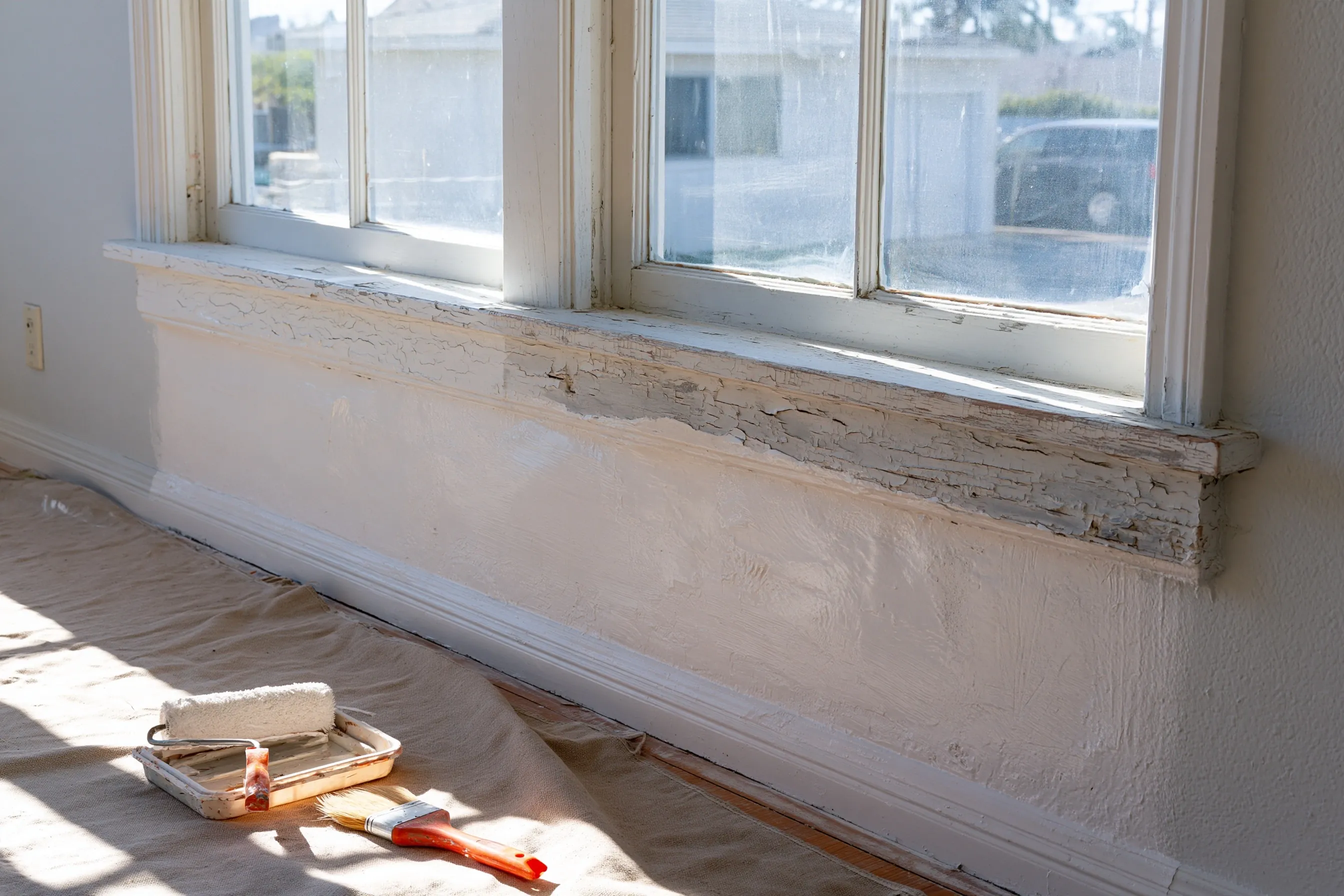
Lead paint on the plaster walls and the window sill; the paint on the walls is sound
Surfaces
About 300 sq ft of plaster wall
Method
Encapsulant made to last 20 years or more, two coats, with a written plan and clearance
Estimated cost
$2,900
In this example, the owners of a 1940s house in National City want to keep the original plaster walls in the living room. A test shows lead paint on the walls and on the window sill, but the paint on the walls is still firmly attached.
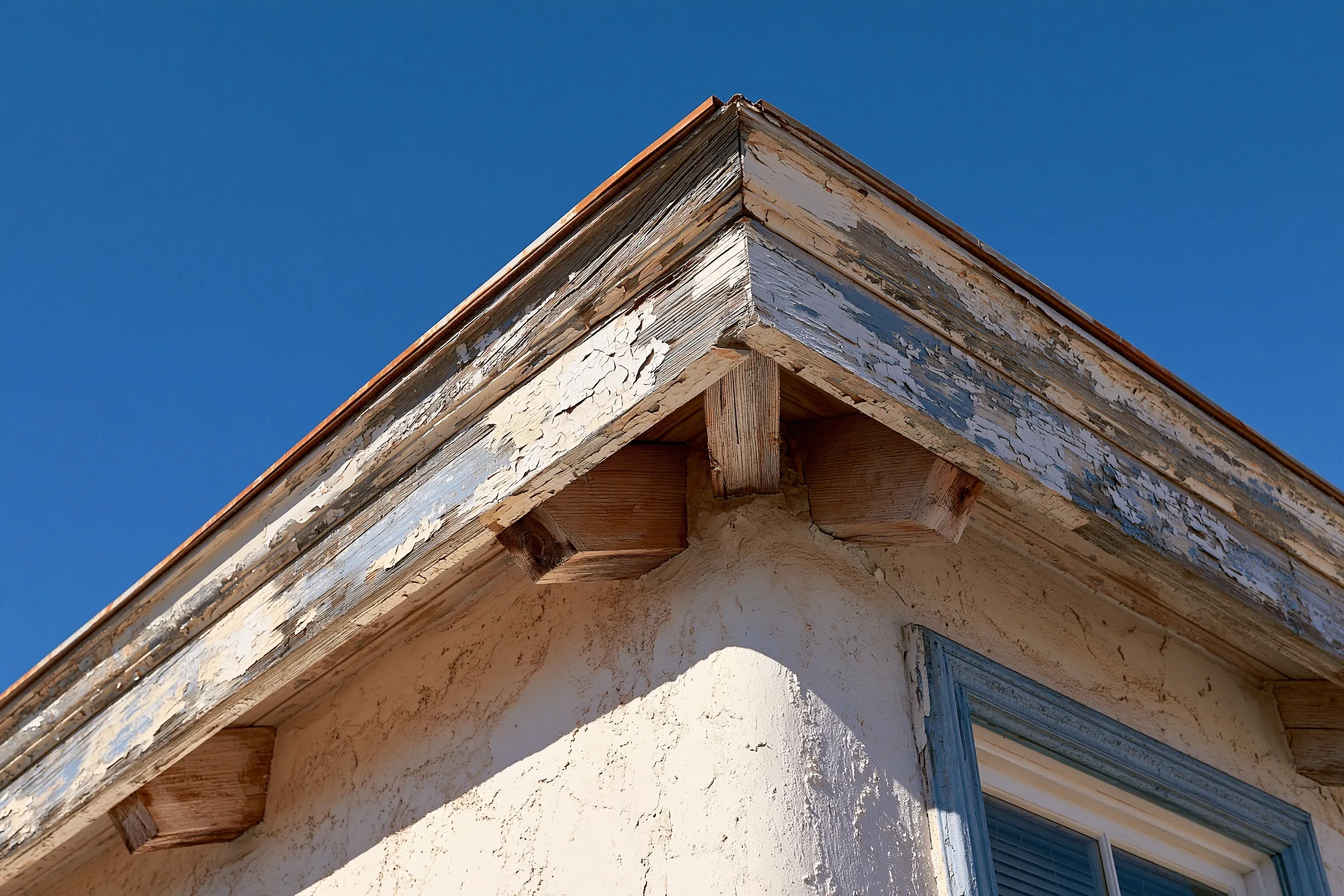
National City grew on El Rancho de la Nacion, bought in 1868 by Frank Kimball and his brothers, who built the first wharf and brought the railroad. Kimball’s 1887 Brick Row on A Avenue, ten row houses built for Santa Fe Railroad executives, is still privately owned unit by unit under a facade covenant. Houses of that age can carry a century of paint on turned porch posts, brackets and window casings. Test before stripping any of it, because a period detail is easier to protect than to recreate.
Rental buildings
About two in three National City homes are rented, and the city’s Consolidated Plan counts nearly twice as many pre-1980 rentals as pre-1980 owner-occupied homes: 8,215 against 4,230. Pre-1978 leases need the federal lead disclosure, and paid repainting between tenants is EPA renovation work. Our rental property lead paint work page sets out what applies.
Inspection and testing
A paid lead inspection or risk assessment in National City is done by a CDPH-certified Inspector/Assessor, who reports on Form 8552 and sends a copy to CDPH within 30 days. On a Victorian house, the inspection tells you which trim, siding and sashes test positive, so the scope can spare the rest. Details are on lead paint inspection and testing.
Removal and abatement
Abatement is carried out by a CDPH-certified Supervisor and Workers, with Form 8551 posted and delivered to CDPH at least five days before work begins. On a National City house, that may mean wet-scraping wood clapboard and trim, removing paint from stucco, or replacing worn porch parts. See exterior lead paint removal for the methods.
Encapsulation
Sealing intact paint may suit a plaster wall inside an old house better than stripping it. A seal designed to last 20 years or more counts as abatement in California; a shorter-term coat is an interim control, which still needs containment and a CDPH notification. Read lead paint encapsulation for the trade-offs.
Historic properties in National City
The city’s list of identified historic sites, dated October 30, 2019, names four National Register properties (Brick Row, St. Matthew’s Episcopal Church, Granger Music Hall and the Santa Fe Depot) and 55 locally designated buildings, most of them houses, among them the Frank Kimball House on A Avenue. The city advises owners to consult the Secretary of the Interior’s Standards for Rehabilitation before renovating, and offers Mills Act property-tax contracts to structures on its list.
Permits on listed properties
Under National City Municipal Code 18.12.160, a building or demolition permit for demolition or significant alteration of a listed property is held for 30 days while the city reviews it, and the historical society may comment within 20 days. The code does not say whether window replacement or repainting counts as a significant alteration, so ask the planning division before you file.
Window and stucco permits
The city’s permit guide lists all types of window replacement, and lath and stucco work, as needing a building permit, while painting and similar finish work are exempt. Permits go to licensed contractors, or to owners of one- and two-family homes doing their own work who live there. A permit-exempt repaint still falls under lead-safe rules if it disturbs lead paint.
National City receives federal housing funds directly and runs them through its Housing Authority. Its 2025-2029 Consolidated Plan commits the city to include lead testing and abatement, as required, in all residential rehabilitation of units built before January 1, 1978. Its latest annual report says the city informs residents applying for loans or permits about lead paint hazards, and will not fund down payment or closing cost help on a house with lead paint unless it is abated before move-in. The same report shows no rehabilitation units completed that year, so check with the city before counting on a program.
On a pre-1978 National City house the order of steps matters, because each one shapes the next.
First, check whether the property is on the city’s historic list; the 2019 list and the planning division can tell you. Second, have a CDPH-certified Inspector/Assessor test the surfaces the project will touch, so the scope covers only what tests positive. Third, apply for any building permit the work needs, such as for windows or stucco, allowing for the 30-day hold if the house is listed and the change is significant. Fourth, if the plan is permanent abatement, the contractor sends CDPH Form 8551 at least five days before starting and posts it at the work area. Last, permanent abatement ends with a clearance inspection, and the Form 8552 report goes in the house file for the next buyer or tenant.
For an apartment or row house with shared walls, add the neighbors to the plan: CDPH guidance says residents of adjacent dwellings are told in writing before abatement starts, and the EPA says abatement firms must make sure occupants are out of the work area while it runs.
Do I need a permit to replace windows in National City?
Yes. The city’s permit guide lists all types of window replacement as needing a building permit. On a property on the city’s historic list, a permit for significant alteration can also be held for 30 days for review. In a pre-1978 home the replacement is EPA renovation work as well, so the contractor needs EPA firm certification.
Is National City covered by the San Diego lead ordinance?
No. The City of San Diego’s lead ordinance applies only inside the City of San Diego. National City follows the state Title 17 rules, the State Housing Law and the federal EPA rules.
Who can test a National City home for lead?
A CDPH-certified Inspector/Assessor for an inspection or risk assessment, or a Project Monitor for clearance only. CDPH publishes monthly lists of certified people. Homeowners may take their own samples in their own home, but that does not produce a certified report.
Should I strip the paint on a Victorian house?
Not before testing. Stripping is permanent and can damage old wood and detail, while sound paint may be sealed instead. For a listed building, check the Secretary of the Interior’s Standards and the city’s review rules first, then decide which parts to strip, replace or seal.
Does a National City buyer get time to test for lead?
Yes. When the house predates 1978, the buyer gets a federal 10-day window for a lead inspection or risk assessment, and the two sides can lengthen, shorten or drop it only in writing. In California only a CDPH-certified Inspector/Assessor can do that testing, and the seller lists any known lead-based paint on the state transfer disclosure statement.
Further south along the bay, our Imperial Beach page covers a younger, mostly 1950s to 1970s housing stock with no local historic register.
Request a free lead paint removal quote
Send the address and year built, whether the property is on the city’s historic list, how many units it has, and which surfaces are peeling. We'll get back to you soon with an estimate or any questions we have. Estimates are free and there's no obligation.